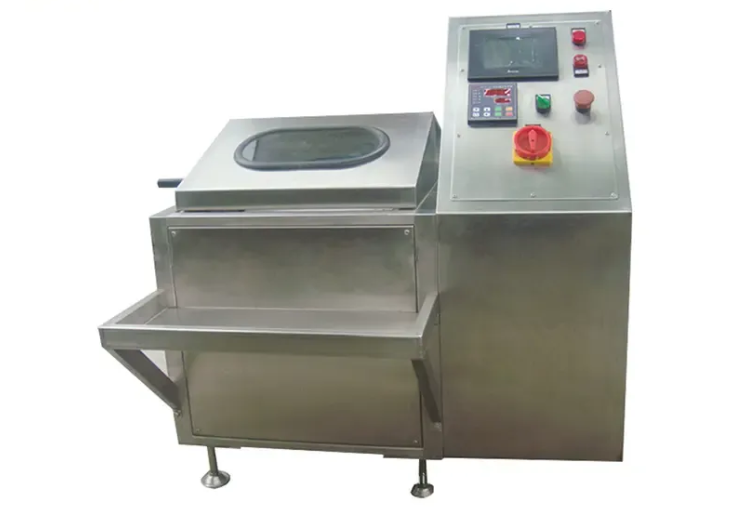
Optimization of Dyeing Equipment for Improved Textile Quality
News Details
Color consistency is essential in textile manufacturing. Whether producing apparel fabrics, home textiles, or technical textiles, manufacturers need reliable dyeing processes to achieve the desired color and fabric performance. Choosing the right dyeing machine is an important step toward improving process control, reducing material waste, and maintaining consistent product quality. As textile production requirements continue to evolve, manufacturers and testing laboratories are paying greater attention to dyeing equipment, process repeatability, and laboratory testing. Understanding these factors can help businesses make more informed decisions when selecting textile dyeing equipment.
Why Dyeing Process Control Matters
Textile dyeing involves several variables, including temperature, processing time, dye concentration, liquor ratio, and fabric characteristics. Changes in these conditions can affect color depth, shade consistency, and dye uptake. Without appropriate process control, manufacturers may experience uneven coloration, repeated dyeing trials, or differences between laboratory samples and bulk production. A suitable dyeing machine helps operators manage key processing parameters and conduct repeatable dyeing trials. This is particularly important when developing new colors, testing dye formulations, or evaluating different textile materials. For B2B textile manufacturers, better process control can support more predictable production and more efficient use of materials.
The Role of Laboratory Dyeing in Textile Development
Laboratory dyeing is an important part of textile product development. Before introducing a new dye formulation into full-scale production, manufacturers can test small fabric samples under controlled conditions. These trials help technical teams evaluate color results, compare formulations, and identify suitable processing parameters. Laboratory testing can also help determine whether a dyeing process needs adjustment before moving to production. A laboratory dyeing machine provides a controlled environment for these experiments. Depending on the application, equipment may be designed for different fabric structures, dyeing methods, temperature ranges, and sample capacities. By establishing a consistent testing procedure, manufacturers can improve the reliability of comparisons between different trials. However, laboratory results should also be validated against production conditions because differences in equipment scale, fabric handling, and process control may affect the final outcome.
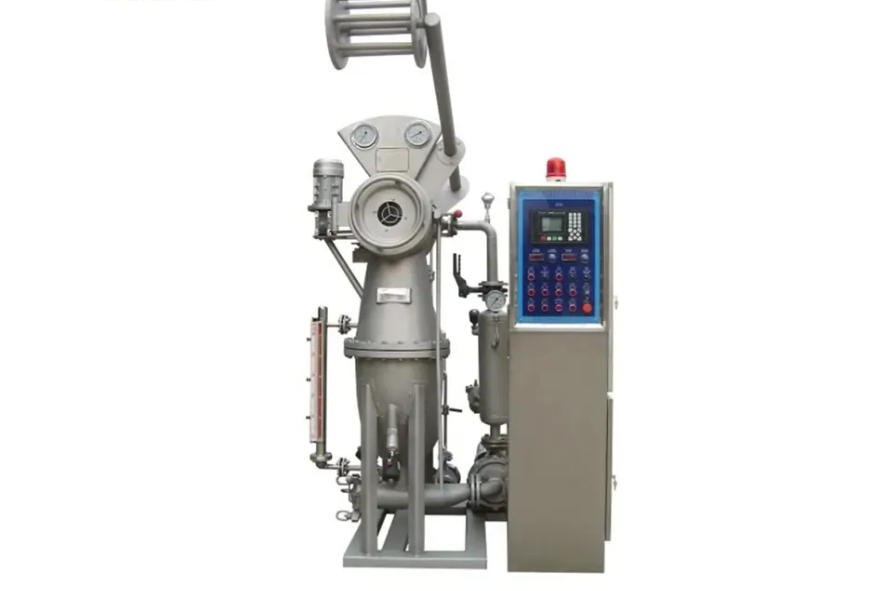
Key Factors to Consider When Choosing a Dyeing Machine
Selecting a dyeing machine requires a clear understanding of the intended application. Equipment that works well for one textile process may not be suitable for another.
Fabric type and material compatibility
Different fibers and fabric structures may require different dyeing conditions. Buyers should confirm that the equipment supports their intended materials and sample formats.
Temperature and process requirements
The required temperature range, processing time, and operating conditions depend on the dye formulation and textile material. These requirements should guide equipment selection rather than relying on general specifications alone.
Process repeatability
Consistent control of relevant parameters helps laboratories compare test results and refine dyeing formulations. Buyers should evaluate the machine's control functions based on their specific testing procedures.
Sample capacity and testing efficiency
The amount of material required for each experiment and the number of trials conducted daily can influence the appropriate machine capacity. Selecting equipment that matches the laboratory workflow can help avoid unnecessary resource consumption.
Technical support and maintenance
Equipment specifications are only part of the purchasing decision. Documentation, operator training, maintenance requirements, spare parts, and after-sales support should also be considered when evaluating suppliers.
Improving Efficiency and Reducing Dyeing Waste
Inefficient dyeing processes can lead to additional water, energy, chemicals, and fabric consumption. Repeated trials caused by inconsistent results may also increase development time and operating costs. Although a dyeing machine cannot eliminate every source of process variation, appropriate equipment and well-defined testing procedures can help manufacturers identify problems earlier. For example, controlled laboratory trials allow technical teams to compare dye formulations before applying them to larger fabric batches. This approach can help reduce unnecessary production experiments and provide a more reliable basis for process adjustments. Manufacturers should also consider the wider production process, including water management, heating efficiency, chemical handling, and wastewater treatment, when evaluating opportunities to improve dyeing sustainability.
Working With a Reliable Textile Testing Equipment Supplier
Choosing a suitable dyeing machine is not simply a matter of comparing prices. Buyers should consider the equipment's application range, operating specifications, control functions, and suitability for their existing laboratory or production workflow. A qualified supplier should be able to provide clear technical documentation and help buyers assess whether a machine meets their testing requirements. When necessary, purchasers should request application guidance based on their fabric materials, dyeing methods, and process conditions. Anytester provides textile testing and laboratory equipment for manufacturers, research institutions, and testing laboratories. Its equipment portfolio covers textile-related processes, including dyeing and finishing, helping customers identify solutions suited to their specific technical requirements. Before making a purchasing decision, buyers are encouraged to define their testing objectives and confirm the relevant machine specifications with the supplier.
Conclusion
Dyeing machine selection plays an important role in textile process development, color consistency, and quality control. By considering fabric compatibility, process parameters, testing capacity, and supplier support, manufacturers can choose equipment that better matches their operational needs. For textile laboratories and manufacturers seeking to improve dyeing procedures, combining suitable equipment with repeatable testing methods provides a practical foundation for more consistent results and more efficient product development. Explore Anytester's textile equipment range to learn more about available testing solutions and identify equipment that matches your application requirements. Contact Anytester to discuss your textile testing needs and request further technical information.