The Core of Modern Fiber Research
Today, laboratory spinning technology drives textile innovation forward each year. Researchers need precise and dependable equipment for their work. A China lab spinning machine delivers both of these essential qualities.These compact systems faithfully simulate full industrial production conditions. They help development teams test new polymer materials quickly and safely. Therefore, research and development cycles become much shorter and more efficient. Also, modern spinning machines support multiple processing methods simultaneously. You can switch between melt spinning and wet spinning approaches easily. This built-in flexibility saves valuable laboratory space and equipment budget. Moreover, digital data collection is fully integrated into today's systems. Every process parameter gets recorded and stored in real time. This creates a reliable record for peer review and academic publication. Consequently, leading laboratories around the world are adopting these advanced tools. They speed up new material discovery and validation dramatically. The results speak for themselves through shorter project timelines and faster innovation.
Melt Spinning in a Lab Setting
Fundamentally, melt spinning is one of the most widely used fiber production processes today. It heats polymer granules until they reach a molten state. Then the material is extruded through precisely engineered spinneret holes. Specifically, a lab melt spinning machine handles this entire process with remarkable precision. It controls temperature profiles and extrusion speed with great accuracy. As a result, the fiber quality stays consistent from one batch to another. But the real advantage of modern lab equipment is complete process visibility. Researchers can observe and adjust every parameter in real time. This direct insight leads to better material formulations and faster optimization cycles. Furthermore, modern machines are designed to minimize material waste significantly. They need only small sample amounts for each testing run. This makes expensive polymer trials far more affordable for research teams. In addition, the fibers produced on lab equipment match industrial quality standards. This means your laboratory results translate directly to production environments. Your engineering team can scale up new processes with full confidence later.
Wet Spinning for Specialty Fibers
Wet spinning offers a fundamentally different approach to fiber formation. The polymer must first dissolve in a carefully selected solvent. Fibers then take shape through controlled chemical coagulation in a bath. This specialized method suits materials that simply cannot be melted. For example, certain high-performance aramid polymers absolutely require wet processing. Also, many emerging bio-based fibers demand wet spinning steps for proper formation. However, wet spinning demands extremely precise control over bath conditions. Temperature and solvent concentration must stay within very narrow operating ranges. Modern automated machines handle these critical adjustments perfectly and consistently. Meanwhile, the coagulation process fundamentally shapes the internal fiber structure. Different solvent and coagulant combinations create varied material properties. This opens doors to entirely new categories of high-value specialty fibers. Therefore, having reliable wet spinning capability in your lab is essential. It perfectly complements melt spinning for a complete research platform. Your investigation possibilities expand dramatically when you have access to both methods.
Selecting Your Lab Spinning Machine
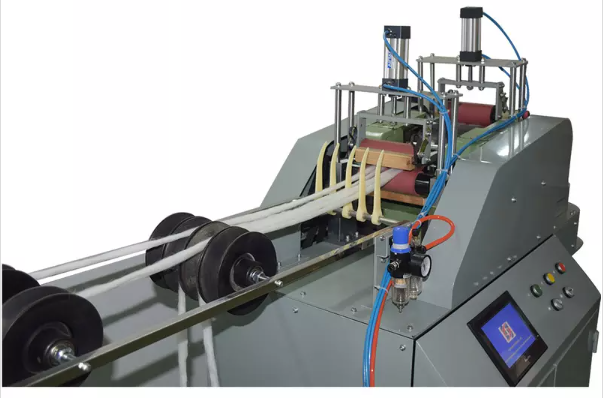
First, choosing the right equipment for your laboratory requires careful evaluation. Define your target fiber materials and desired properties clearly. Then match those specific needs to available machine specifications and capabilities. Also, look for precision temperature control and accurate speed regulation systems. Check the available spinneret types and hole configurations carefully. Responsive after-sales technical support matters just as much as hardware quality. In addition, closely consider the overall machine build quality and materials. Stainless steel components ensure reliable long-term service life. This thoughtful engineering reduces maintenance costs and downtime over many years. Also, examine the software interface carefully for day-to-day usability. An intuitive and responsive control panel saves valuable operator training time. Your research team can start producing meaningful results much faster this way. Finally, think about your laboratory's future research directions right now. A versatile and adaptable system grows alongside your evolving lab needs. This kind of forward thinking prevents costly equipment upgrades just a few years later.