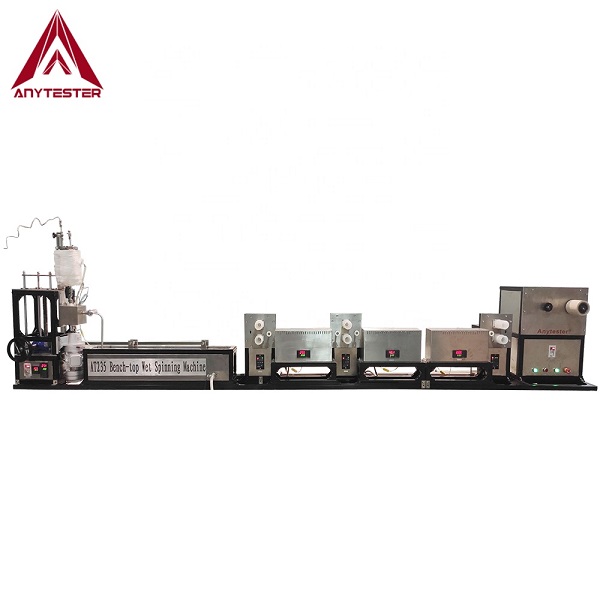
A spinning machine in lab serves a critical function in polymer research. It supports precise fiber development work every single day. Researchers worldwide rely on it for consistent and accurate experimental results. Moreover, modern laboratories demand equipment that delivers exceptional performance. A high-quality spinning machine in lab meets these rigorous expectations. It enables teams to push material science boundaries forward continuously.
Understanding the Role of a Spinning Machine in Lab
Initially, researchers use a spinning machine in lab for rapid prototyping. The device transforms polymer solutions into fine continuous fibers. This process helps validate new material concepts before full-scale industrial production. Furthermore, the equipment allows for precise parameter control during experiments. Operators can adjust temperature and speed settings with great ease. This inherent flexibility makes the machine valuable across diverse research domains. In addition, the technology supports both wet and melt spinning techniques. Scientists can switch between methods based on their project needs. This versatility eliminates the need for multiple separate laboratory instruments. Consequently, universities and corporate research centers invest heavily in these systems. They recognize the long-term value of in-house fiber fabrication capability. A spinning machine in lab becomes a cornerstone of any serious materials department.
Key Features of Lab Melt Spinning Machine
First, a lab melt spinning machine offers exceptional thermal stability during operation. It maintains consistent melting temperatures throughout extended experimental runs. This precision ensures uniform fiber quality in every single batch produced. Additionally, these machines feature compact and modular design architectures. They fit comfortably in standard laboratory environments without major modifications. Their user-friendly interfaces simplify daily operation and reduce staff training requirements. Meanwhile, advanced models incorporate real-time monitoring and data logging functions. Researchers can track every parameter throughout the spinning process. This capability improves reproducibility and supports rigorous scientific documentation standards. Similarly, modern units provide automated winding and collection mechanisms. These features reduce manual handling and minimize fiber damage risks. The integrated systems boost overall laboratory productivity and experimental throughput. Therefore, selecting a lab melt spinning machine with these features proves essential. Laboratories that prioritize these capabilities achieve better research outcomes. The initial investment returns measurable dividends through improved experimental efficiency.
Choosing the Right Lab Spinning Machine Name and Model
To begin, selecting a suitable lab spinning machine name requires careful technical evaluation. Buyers must compare detailed specifications and performance data thoroughly. This critical step prevents costly mismatches in research infrastructure investments. Consequently, leading manufacturers offer diverse model options for different applications. Each lab spinning machine name corresponds to specific technical capabilities and throughput ranges. Researchers should match machine features precisely to their unique project requirements. Furthermore, brand reputation and after-sales support deserve serious consideration. Reliable technical service ensures minimal downtime during critical research periods. This factor often proves decisive in the final procurement decision process. Notably, some models specialize in high-temperature polymer processing applications. Others excel at producing ultra-fine fibers for biomedical research purposes. Understanding these distinctions helps laboratories make informed purchasing decisions. Ultimately, consulting peer reviews and published research helps narrow the options. Laboratories with similar research profiles provide the most relevant feedback. This practical approach leads to smarter equipment investments and better research outcomes.
Applications of Lab Fiber Spinning Machine
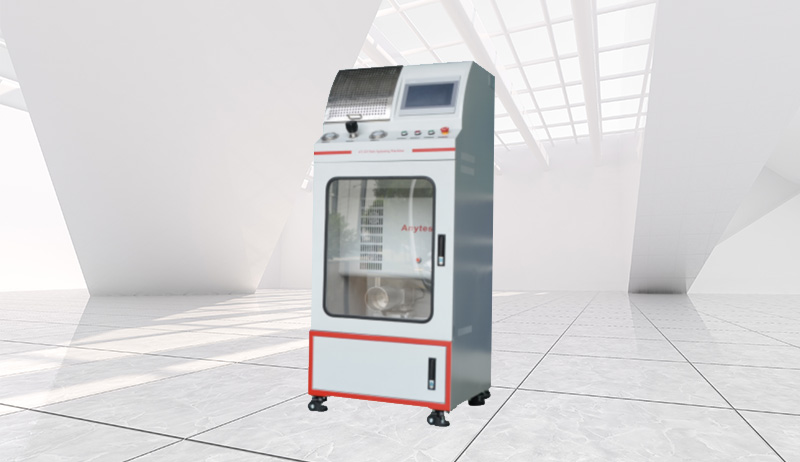
Primarily, a lab fiber spinning machine supports multiple advanced industrial and academic applications. Biomedical engineers use it for developing next-generation suture materials and scaffolds. Textile scientists leverage it for creating smart fabric prototypes and functional textiles. Similarly, the technology plays a vital role in filtration membrane development projects. Environmental researchers produce nanofiber filters for water purification systems. These contributions drive meaningful innovation across healthcare and environmental sustainability sectors. Moreover, energy storage researchers utilize these machines for battery separator development. The precise fiber control enables production of high-performance separator materials. This application supports the growing global demand for advanced energy storage solutions. Furthermore, in the aerospace sector, engineers develop lightweight composite reinforcement fibers with these tools. The resulting materials improve structural performance while reducing component weight. Such advances contribute directly to fuel efficiency and sustainability goals. Additionally, academic institutions incorporate these machines into their teaching laboratories. Students gain hands-on experience with professional-grade fiber fabrication equipment. This practical training prepares the next generation of materials scientists effectively. Overall, investing in a reliable spinning machine in lab pays substantial long-term dividends. It accelerates research cycles and improves experimental output quality dramatically. Every forward-thinking fiber laboratory should integrate this essential equipment into its workflow.