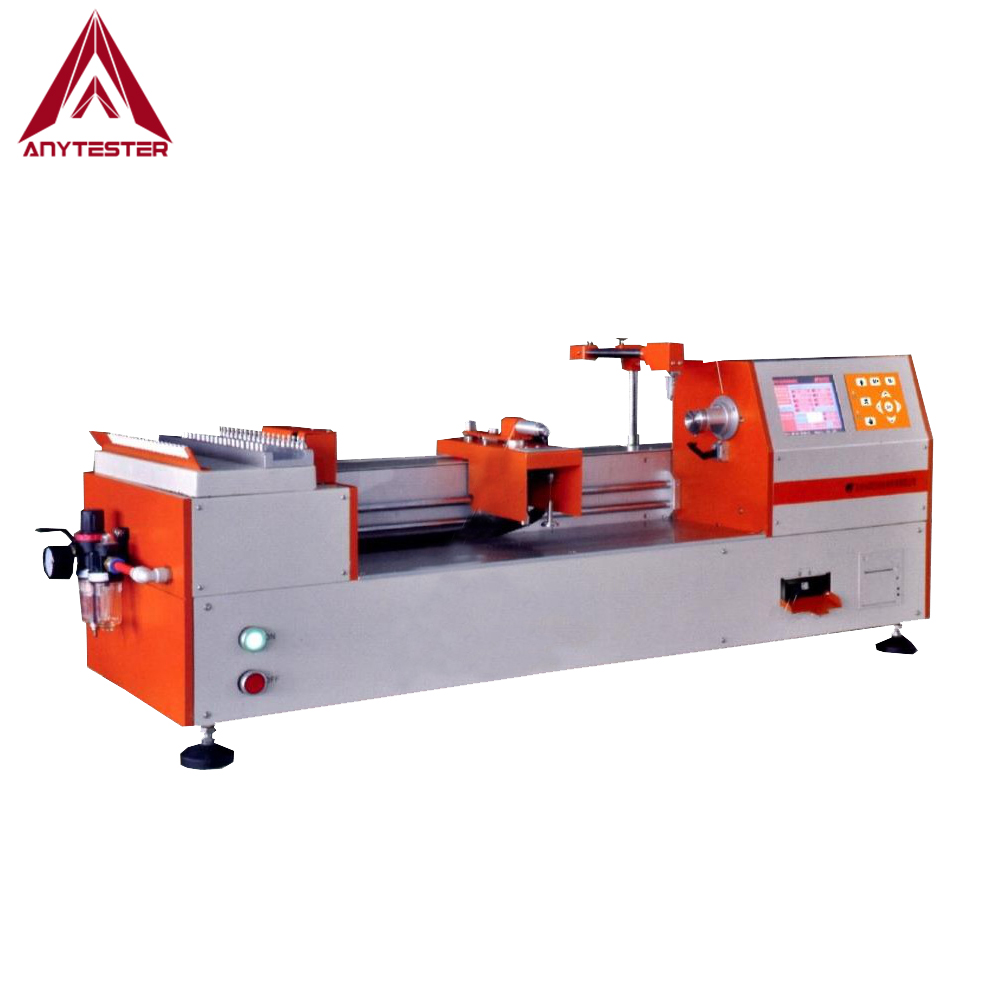
Why Fabric Testing Instruments Matter for Modern Textile Manufacturing
Quality control defines success in today’s textile industry. Manufacturers face rising demands for durable products. Fabric testing instruments provide the answers they need. These tools verify that every batch meets strict requirements. They reduce costly recalls and protect brand reputation. The right instruments turn uncertainty into confidence.
Understanding the Role of Fabric Testing Equipment
Every textile product starts with raw materials. Those materials must pass rigorous checks. Fabric testing equipment makes this process reliable. It measures strength, colorfastness, and tear resistance. It also tests shrinkage and pilling behavior. Modern equipment delivers fast and accurate results. Also, fabric testing equipment supports compliance work. International buyers demand proof of quality. Testing data becomes your competitive advantage. It opens doors to premium markets worldwide. Standard fabric lab testing follows clear protocols. Labs test samples under controlled conditions. They simulate real-world wear and tear. The data helps improve manufacturing processes. It also guides material selection decisions.
Key Standards in Fabric Testing
Therefore, understanding fabric testing standards is essential. These standards ensure consistent results across labs. ASTM and ISO set the global benchmarks. Manufacturers who follow them gain market trust. Their products stand up to scrutiny anywhere. But navigating these standards takes effort. Each test method has specific requirements. For example, tensile strength tests need calibrated machines. Colorfastness tests require precise lighting conditions. A reliable fabric testing lab knows these details well. Fabric testing standards also evolve with technology. New materials demand new testing approaches. Smart textiles and composites bring fresh challenges. Labs must update their methods regularly. This keeps testing relevant and accurate.
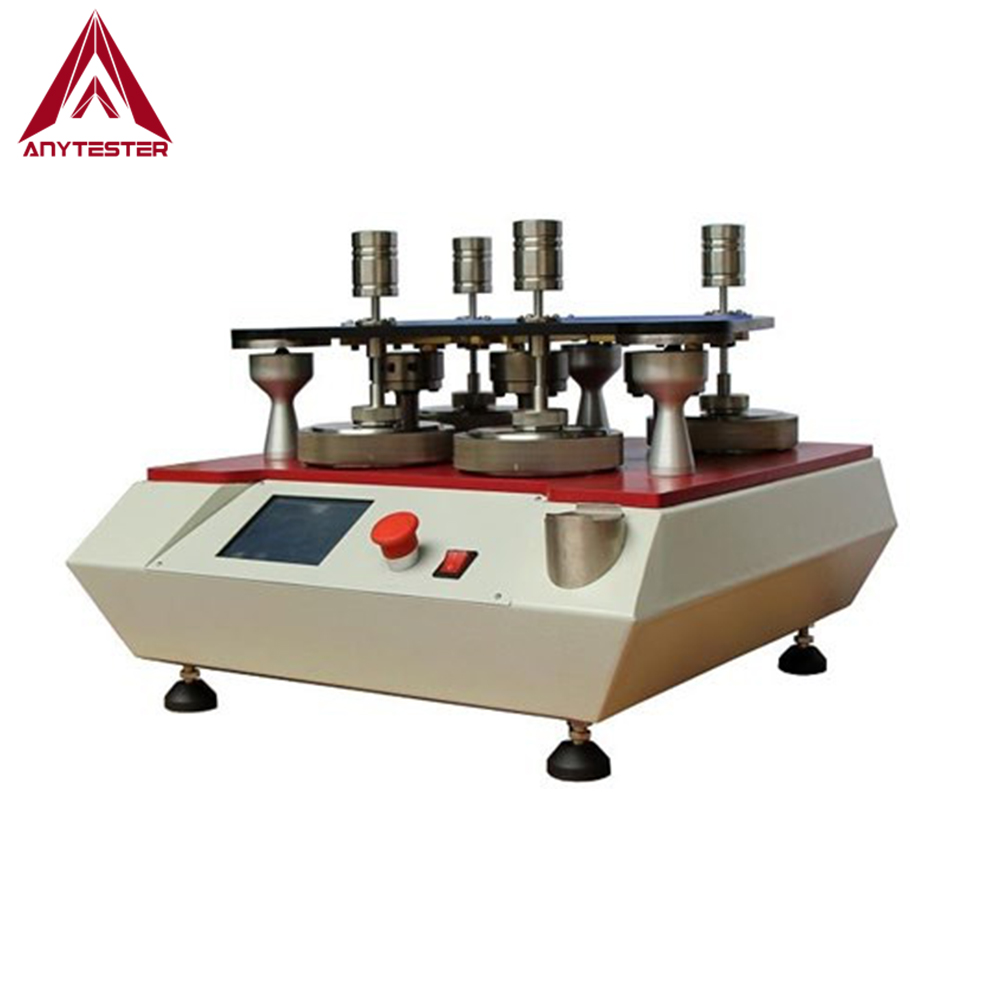
Choosing the Right Fabric Testing Lab
For many companies, building an in-house lab is costly. A dedicated fabric testing lab offers a better path. It provides expertise without the capital investment. Outsourcing also saves time and training costs. You can focus on what you do best. However, not all labs offer the same quality. Look for accreditation and industry experience. Ask about their fabric testing equipment lineup. Check turnaround times and reporting formats. A good partner communicates clearly at every step. Moreover, the best labs invest in advanced instruments. They stay current with fabric testing standards. They train their staff continuously. These labs become true partners in your quality journey. They help you spot problems before production scales up.
Future Trends in Fabric Testing Instruments
Digital transformation is reshaping the testing landscape. Automated fabric testing instruments now lead the way. They reduce human error and speed up workflows. AI-powered analysis adds deeper insights. It detects patterns that manual checks might miss. Additionally, sustainability drives new testing demands. Brands want proof of eco-friendly production. Fabric testing equipment now measures environmental impact. It checks for harmful substances and microplastic release. These capabilities grow more important every year. But the core mission remains unchanged. Quality assurance protects your business and your customers. Fabric testing instruments make this mission achievable. They bring science into the quality conversation. Invest in them wisely and watch your reputation grow.