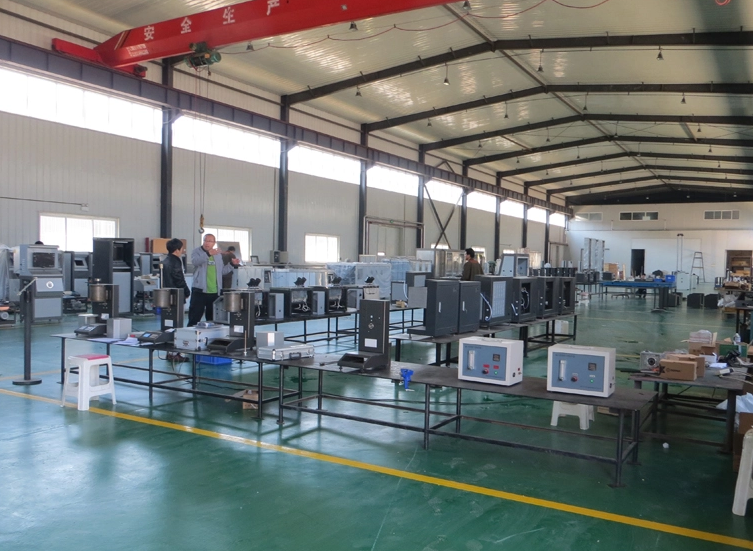
Fabric Testing for Industrial Textile Quality Assurance
News Details
Fabric Testing for Industrial Textile Quality Assurance
Fabric testing ensures textile products meet industry quality standards. Manufacturers rely on systematic evaluation methods every single day. These processes protect both brand reputation and consumer safety effectively.
The Importance of Fabric Testing in Manufacturing
Modern textile production requires consistent and reliable quality control always. Every fabric batch must pass rigorous inspection before market release. Consequently, fabric testing provides data needed for informed production decisions. Manufacturers who invest in thorough testing reduce costly product returns significantly. They also build strong trust with international distribution partners over time. Furthermore, quality assurance remains a core competitive advantage in today’s market. Global supply chains now demand documented proof of compliance without exception. International buyers expect certified test reports with every product shipment. Moreover, fabric testing delivers this essential documentation efficiently and accurately. Regulatory requirements continue to grow across all major global markets rapidly. Non-compliance can lead to rejected shipments and serious financial losses. Therefore, comprehensive testing protects companies from these significant business risks. Industry benchmarks also push manufacturers toward higher quality standards daily. Meeting these expectations requires investment in proper testing infrastructure. Similarly, trained personnel must operate equipment with precision and expertise.
Understanding Test Fabric Methods and Standards
Different fabrics require different testing approaches and evaluation methods always. Test fabric procedures examine physical properties and chemical composition carefully. For instance, tensile strength testing measures material response to pulling forces. Abrasion resistance evaluates surface wear during extended daily use cycles. These core tests form the solid foundation of all quality assurance programs. Additionally, colorfastness testing checks dye performance under various conditions. Light exposure and frequent washing can degrade fabric appearance quite significantly. A fabric tester provides precise measurements of these important color changes. Likewise, dimensional stability testing verifies size retention after multiple washes. Shrinkage control remains a critical concern for garment manufacturers today worldwide. Proper testing prevents costly customer complaints and unnecessary product returns. As a result, standardized test methods ensure consistent results across all facilities. International organizations like ISO and ASTM define these testing standards globally. Manufacturers following recognized protocols gain easier access to global markets. Subsequently, certified labs can validate results for export documentation requirements.
Choosing the Right Fabric Tester for Your Lab
A fabric tester is the cornerstone of any textile quality control laboratory. These instruments measure multiple physical and chemical fabric properties simultaneously. Therefore, selecting the right equipment requires careful analysis of production needs. Consider testing volume and the full range of fabric types handled each day. Budget constraints and technical support requirements also matter greatly indeed. Moreover, modern fabric testers offer digital connectivity and data logging features. Automated reporting reduces human error in quality documentation processes significantly. This digital integration streamlines workflow and improves overall productivity levels. Furthermore, multifiber test fabric serves as a valuable reference material for labs. It contains multiple fiber types woven into a single convenient test strip format. This allows simultaneous evaluation across entirely different fiber compositions easily. Consequently, labs benefit from faster testing cycles and reduced preparation time. Calibration and maintenance affect long-term equipment performance quite significantly. Regular servicing ensures accurate and repeatable test results every single time. Above all, invest in proper training for all laboratory technical staff members.
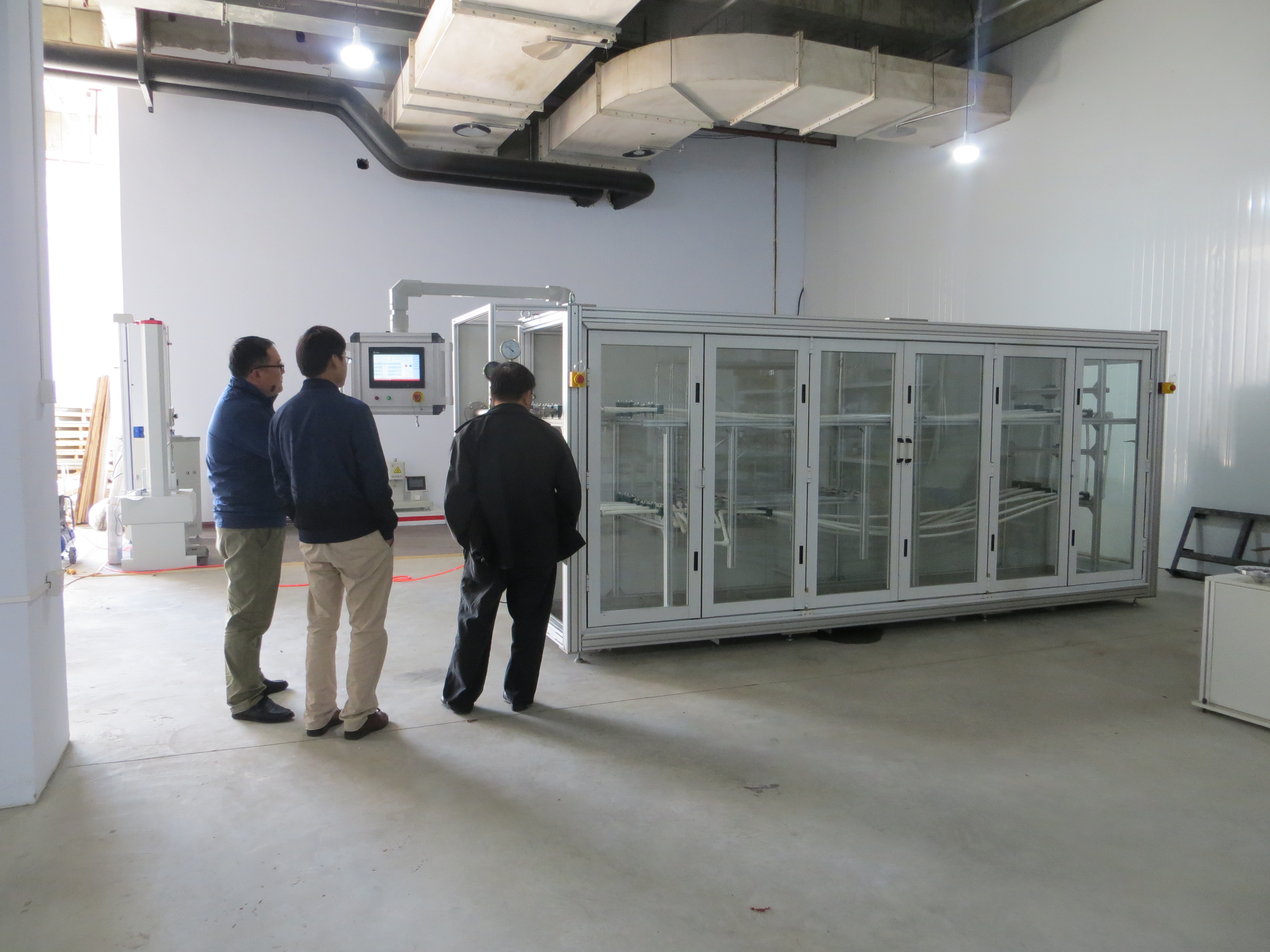
Working with Professional Fabric Testing Labs
Fabric testing labs provide specialized services for manufacturers of all sizes. They offer access to advanced equipment without major capital investment requirements. Thus, small and medium enterprises benefit greatly from these external partnerships. These accredited labs maintain rigorous quality management systems and certified expertise. Their reports carry significant weight with international buyers and regulatory agencies. Additionally, third-party testing adds valuable credibility to quality assurance programs. Independent verification removes potential conflicts of interest in reporting results. Buyers trust results from certified fabric testing labs without any question or doubt. Moreover, these labs stay current with evolving industry standards and regulations. They adopt new testing methods as soon as they become technically available worldwide. Partnering with professional labs keeps manufacturers competitive and fully compliant always. Similarly, outsourcing testing can reduce overhead costs for smaller production facilities. In conclusion, fabric testing drives continuous improvement across the textile industry. From basic test fabric procedures to advanced laboratory analysis, quality matters. Ultimately, investing in proper testing equipment and expertise ensures lasting success.