Lab Equipment Test Solutions for Industrial Quality Assurance
News Details
Lab Equipment Test: Ensuring Precision in Modern Industry
Moreover, reliable lab equipment test procedures form the backbone of industrial quality control. Every manufacturer depends on accurate instruments for daily operations. Without proper testing, production risks increase significantly. In addition, modern labs require consistent verification of their tools and devices. A single faulty instrument can compromise entire production batches. Therefore, regular testing is not optional but essential. Furthermore, industries from pharmaceuticals to electronics share this fundamental need. They all seek trusted partners for their equipment validation. Consequently, the demand for professional lab test equipment continues to grow worldwide. Also, regulatory bodies now enforce stricter compliance requirements across many sectors. Companies must document every calibration and inspection result thoroughly. Thus, organized testing protocols have become a business necessity.
The Role of Lab Test Equipment in Daily Operations
First,lab test equipment serves as the critical link between theory and practice. Scientists and engineers rely on precise readings every single day. Thus, even minor deviations can lead to costly errors. Additionally, well-maintained tools deliver consistent results across multiple test cycles. This consistency builds confidence in research findings and product quality. As a result, leading facilities invest heavily in top-tier instruments. Equally important, modern digital testing devices offer automated calibration and real-time monitoring. These features reduce human error and speed up workflows. Hence, smart labs are rapidly adopting these advanced systems worldwide. Meanwhile, remote monitoring capabilities allow managers to track equipment status from any location. This flexibility improves operational efficiency and response times. Indeed, digital transformation has reshaped how laboratories manage their daily testing.
Material Testing Lab Equipment for Comprehensive Analysis
Meanwhile, material testing lab equipment addresses specific physical and chemical properties. It evaluates tensile strength, hardness, and chemical composition with high accuracy. Indeed, these tests determine whether materials meet industry standards. For example, universal testing machines measure how metals and polymers behave under stress. Similarly, spectrometers analyze elemental composition at microscopic levels. Consequently, manufacturers can certify their raw materials before production begins. Moreover, advanced thermal analyzers track how substances respond to extreme temperatures. This data helps engineers design safer and more durable products. Ultimately, comprehensive material analysis protects both businesses and end users. Furthermore, fatigue testing systems simulate years of operational wear in just hours. Such accelerated testing reveals potential failure points early in development. Therefore, companies can refine their designs before committing to full production.
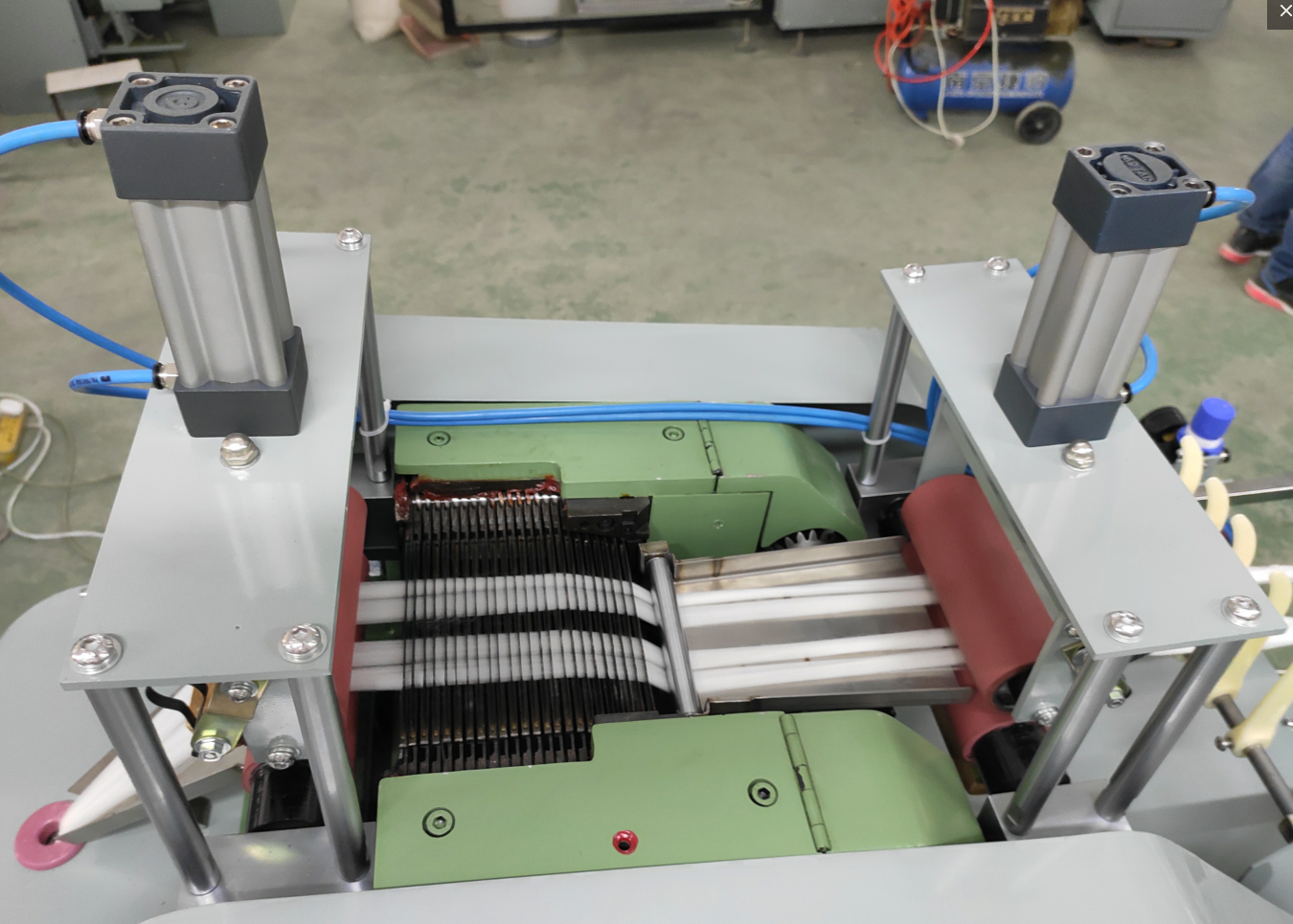
Building a Complete Material Testing Lab Equipment List
Next, creating a thorough material testing lab equipment list requires careful planning. Managers must assess their specific testing needs and regulatory requirements. Subsequently, they can select the right combination of instruments. For instance, a plastics manufacturer needs melt flow indexers and impact testers. On the other hand, a metal fabrication plant requires hardness testers and fatigue machines. Therefore, each industry demands a tailored equipment selection. Additionally, budget considerations and after-sales support influence purchasing decisions. Smart buyers evaluate total cost of ownership rather than just upfront prices. In conclusion, a well-planned list saves time and money over the long term. Also, future scalability should factor into every procurement decision today. A modular approach allows labs to expand capabilities without replacing existing systems. Hence, forward-thinking managers always consider tomorrow alongside today.
Ensuring Long-Term Reliability Through Regular Lab Equipment Test
Finally, sustained performance depends on routine lab equipment test schedules and proper maintenance. Preventive checks catch issues before they disrupt critical operations. Thus, every facility should establish a clear testing calendar. Furthermore, certified technicians should perform all calibration and validation work. Their expertise ensures compliance with international quality standards. As a result, accredited labs maintain their reputation and client trust. In summary, investing in professional testing services delivers measurable returns. Companies reduce downtime and improve product quality significantly. Ultimately, consistent equipment testing drives long-term business success. Moreover, partnering with experienced service providers streamlines the entire testing workflow. These experts bring specialized knowledge and advanced diagnostic tools to every engagement. Consequently, outsourcing routine checks frees internal teams for core research activities.