How Fabric Testing Machines Ensure Quality and Durability in Textile Manufacturing
News Details
The Essential Role of Fabric Testing Machines in Modern Textile Production
Quality control shapes the textile industry every day. Also, manufacturers rely on precise equipment for consistent results. A fabric testing machine delivers this reliability without compromise.
Understanding Fabric Testing Machines and Their Core Functions
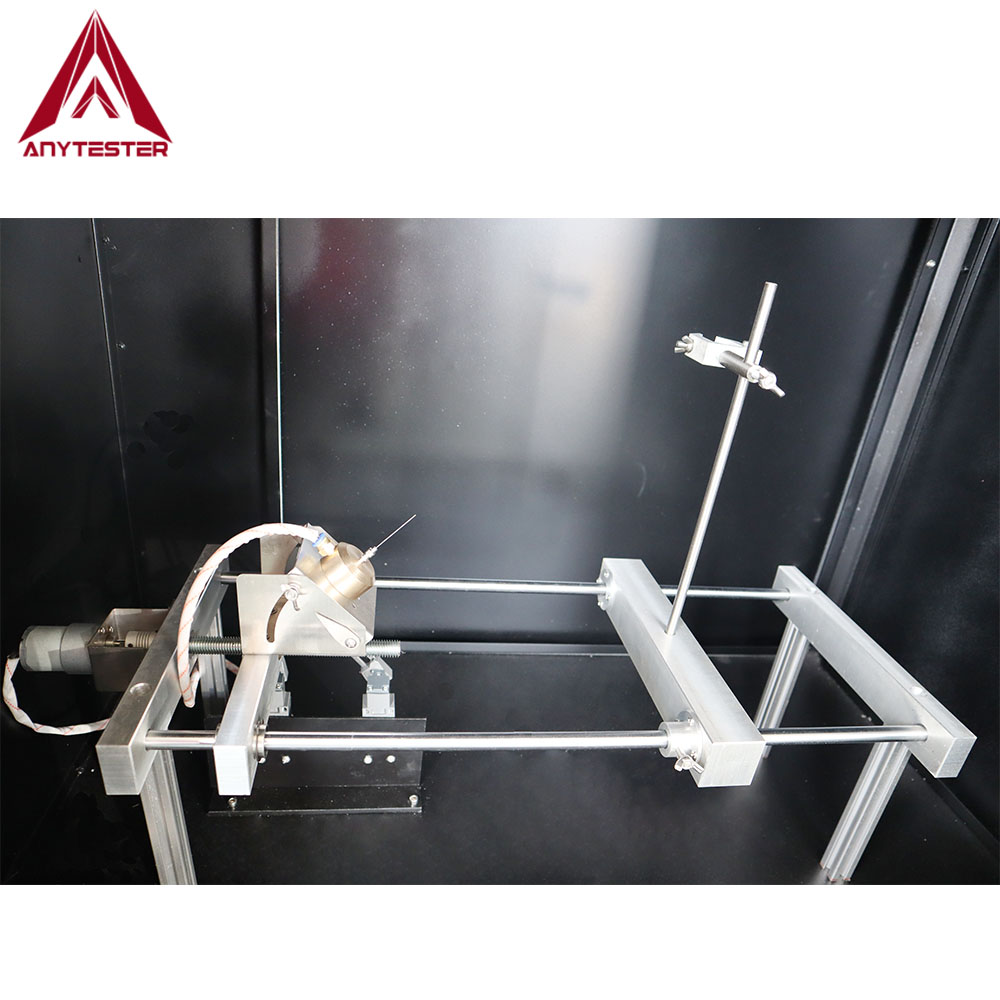
A fabric testing machine evaluates material properties under controlled conditions. It measures strength, stretch, wear, and overall performance. Therefore, labs can identify weaknesses before full production begins. Standard tests include tensile strength and abrasion resistance checks. These assessments reveal how fabrics behave under real-world stress. Also, they help manufacturers meet industry regulations and customer expectations. A fabric test simulates years of use in just hours. This accelerates product development cycles significantly. So, brands can launch new textiles with confidence and speed. Modern machines incorporate digital sensors for precise data collection. They record every measurement with high accuracy and repeatability. In addition, automated workflows reduce human error during testing procedures. Laboratories worldwide depend on these instruments for daily operations. They ensure every bolt of fabric meets strict quality benchmarks. Consequently, manufacturers reduce waste and improve overall production efficiency.
Durability Assessment with Advanced Testing Tools
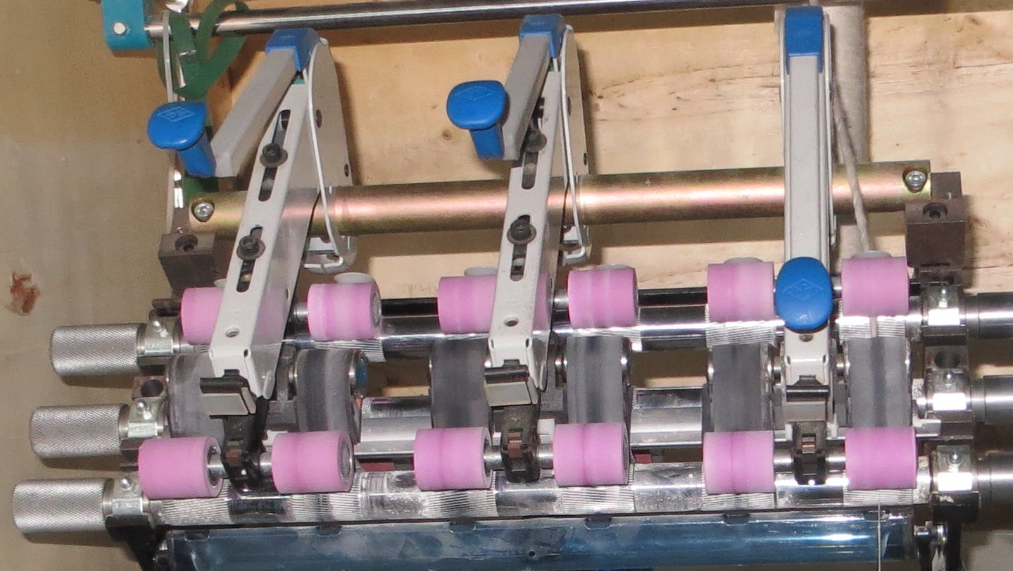
Durability determines the lifespan of any textile product. The best fabric testing tools for durability examine tear strength and pilling. Furthermore, surface wear is also measured with precision instruments. Fabric testing instruments record every abrasion cycle automatically. They produce detailed reports for quality assurance teams. For example, a single test can predict years of garment performance. Strong fabrics retain their look after repeated washing cycles. Weak materials fail quickly under the same conditions. Therefore, durability data directly influences purchasing and sourcing decisions. Abrasion testers rotate fabric samples against standard reference materials. They count every cycle until visible damage appears. Consequently, manufacturers receive objective and comparable performance scores. Tensile testing reveals how much force a fabric can withstand. It also measures elongation before the material breaks completely. In turn, engineers use this data to design stronger textile products. Consistent testing across batches builds confidence in material quality. Suppliers who verify their fabrics gain a competitive advantage. Thus, durability assessment has become non-negotiable for serious manufacturers.
Chemical Testing for Fabric Safety and Compliance
Fabric chemical testing detects harmful substances in raw materials. It checks for formaldehyde, heavy metals, and restricted dyes. Also, it ensures compliance with global safety standards like OEKO-TEX. Modern regulations demand rigorous chemical screening for all textiles. Testing labs use specialized equipment for accurate trace analysis. So, every batch meets legal and ethical requirements. Consumers now expect transparency about fabric composition and safety. Brands that invest in testing build lasting trust. Therefore, chemical analysis has become a core manufacturing step. Spectrophotometers identify chemical residues at extremely low concentrations. They provide fast and reliable screening results for quality teams. In turn, manufacturers avoid costly recalls and regulatory penalties. Colorfastness tests verify that dyes will not bleed or fade. These checks are essential for garments exposed to sunlight and washing. Thus, consistent chemical testing protects brand reputation and consumer health.
Choosing the Right Fabric Testing Instruments for Your Laboratory
Selecting the right instruments requires careful evaluation of needs. Labs must consider test types, throughput, and budget constraints. But accuracy should never be sacrificed for lower costs. Leading fabric testing instruments offer modular and upgradeable designs. They adapt to evolving industry standards and new test methods. Also, user-friendly interfaces reduce training time for lab technicians. A comprehensive fabric test suite covers physical and chemical properties. This integrated approach saves time and reduces operational errors. Therefore, laboratories achieve faster turnaround with higher data reliability. Regular calibration keeps every machine performing at peak levels. Maintenance schedules extend equipment lifespan and protect your investment. For example, annual servicing prevents costly downtime and inaccurate results. Training staff on proper testing protocols is equally important. Skilled operators maximize the value of every instrument purchased. So, ongoing education should be part of any laboratory strategy.