Fabric Test Guide: Essential Fabric Testing Equipment and Methods
News Details
Fabric Test: The Foundation of Quality Textile Production
Introduction
Every textile product starts with raw materials. These materials must meet strict quality standards. Fabric test procedures help you verify those standards early. Without proper testing, defects can slip through unnoticed. This leads to costly returns and damaged brand reputation. Therefore, smart manufacturers invest in reliable testing from day one. Also, fabric testing equipment provides objective data for your decisions. You can compare suppliers with real numbers. This removes guesswork from your sourcing process.
Why Fabric Testing Matters for Manufacturers
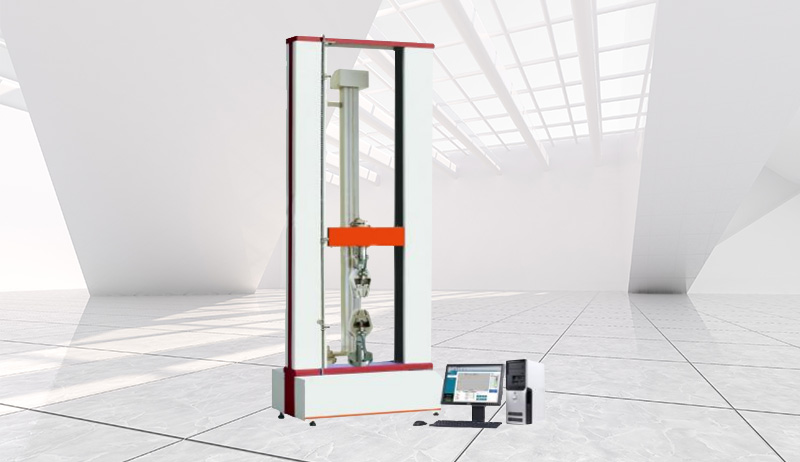
A well-equipped testing lab needs several key instruments. The right fabric testing machine makes all the difference. It ensures your results are accurate and repeatable. For example, tensile strength testers measure how much force fabric can withstand. Abrasion testers check durability under repeated friction. Tear strength testers evaluate resistance to ripping. But modern fabric testing equipment goes beyond basic mechanics. Digital systems now record and analyze data automatically. This saves time and reduces human error in your lab.
Understanding Fabrication Test Procedures
Specifically, fabrication testing checks how materials behave during the manufacturing process. It differs from standard fabric test methods. Here, you examine the entire production workflow. Standard fabrication test protocols cover cutting, sewing, and finishing stages. You need to verify that fabrics perform well at each step. Any weak point can disrupt your whole production line. Also, fabrication testing helps you catch problems before mass production starts. You can adjust machine settings or switch materials early. This proactive approach cuts waste and saves money. First, you prepare sample swatches under controlled conditions. Next, you run them through each production station. Finally, you inspect the output for any defects or inconsistencies. For example, seam strength tests reveal if stitching holds under stress. Dimensional stability tests show if fabric shrinks after processing. These checks prevent expensive downstream failures. Therefore, combining fabric test methods with fabrication testing creates a complete quality system. You cover both raw material properties and process behavior. This dual approach delivers the best results.
How to Choose the Right Fabric Testing Machine
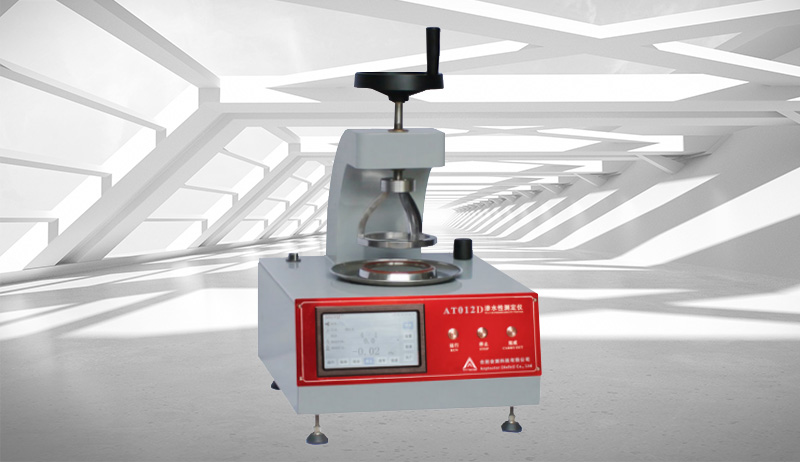
Selecting a fabric testing machine requires careful evaluation. Start by listing the specific tests your products need. Different fabrics demand different testing approaches. But budget is not the only factor to consider. Look at accuracy, speed, and ease of use. A cheaper machine that gives inconsistent results will cost you more over time. Also, check if the fabric testing equipment meets international standards. Standards like ASTM and ISO ensure your results are globally accepted. Your clients will trust your data more when you follow these benchmarks. For example, a full fabric test system might include tensile, tear, and abrasion modules. Start with your most critical needs first. You can always expand your lab equipment as your business grows.
Benefits of Regular Fabric Testing
Regular fabric test schedules bring predictable quality to every batch. You can spot material variations before they become bigger problems. Consistency builds customer confidence in your brand. But many manufacturers skip routine testing to save short-term costs. This decision often backfires when defective products reach the market. The cost of replacing a bad shipment always exceeds the cost of a simple test. Also, documented fabric testing equipment results create a valuable quality history. You can track supplier performance over many months. Data-driven insights help you make better sourcing decisions. Meanwhile, modern fabric testing machines can run multiple tests in one cycle. This reduces labor costs and speeds up your quality workflow. Your lab can handle higher volumes without adding extra staff. Additionally, regular calibration of your fabric testing equipment ensures measurement accuracy. Even small drifts can lead to wrong pass or fail decisions. Schedule calibration checks at least once every quarter. In conclusion, fabric testing is not just a quality checkpoint. It is a strategic tool for building customer trust and reducing risk. Investing in the right fabric testing equipment pays off in every shipment you deliver.