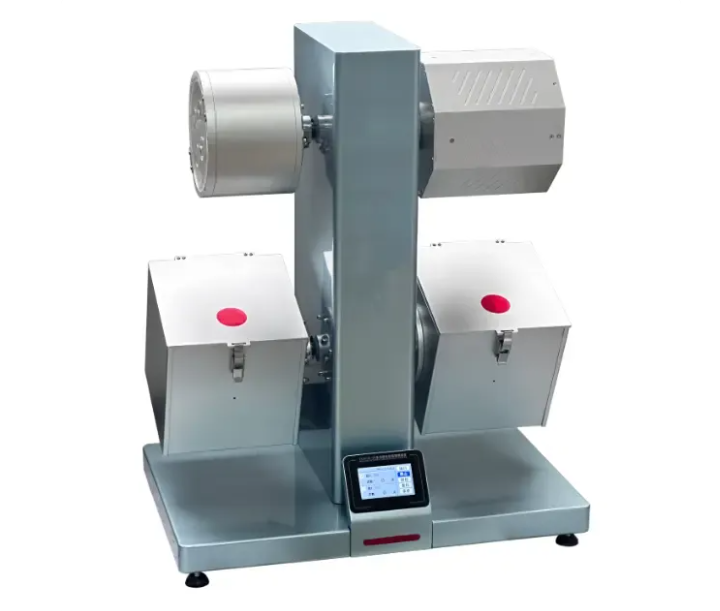
Fiber Tester: Improving Fiber Quality Control in Textile Production
News Details
Fiber Tester: Enhancing Fiber Quality Control in Textile Manufacturing
The textile industry is placing increasing emphasis on raw material quality, production consistency, and product performance. As manufacturers work with different fiber types and increasingly demanding quality requirements, reliable testing has become an essential part of textile production. A fiber tester is an important instrument used to evaluate the physical properties of textile fibers and provide measurable data for quality assessment. From raw material inspection to laboratory research, fiber testing equipment helps manufacturers understand material characteristics, identify variations, and make better decisions throughout the production process. Accurate fiber analysis not only supports product quality but also contributes to more efficient manufacturing and better control over production costs.
Why Fiber Testing Is Essential for Textile Manufacturing
Fiber properties have a direct influence on the quality and performance of yarns, fabrics, and finished textile products. Parameters such as fiber length, fineness, tensile strength, and elongation can affect spinning efficiency, yarn uniformity, fabric durability, and overall product appearance. Even relatively small variations in raw material characteristics may lead to differences in processing performance and finished product quality. This makes fiber inspection particularly important for textile mills, fiber suppliers, spinning factories, and independent testing laboratories. Using a professional fiber tester allows manufacturers to evaluate incoming materials before they enter the next production stage. Testing results provide useful information for raw material grading, supplier evaluation, and production adjustments. For example, fiber length and fineness measurements can help assess the suitability of materials for specific spinning processes, while strength-related testing provides insight into their mechanical performance. By establishing consistent testing procedures, manufacturers can reduce material-related production problems and maintain more stable quality standards across different batches.
Key Factors to Consider When Selecting a Fiber Tester
Selecting suitable fiber testing equipment requires a clear understanding of the materials, testing objectives, and applicable industry requirements. Different fibers may require different measurement methods, sample preparation procedures, and testing configurations. Therefore, buyers should first identify the properties they need to measure and confirm whether the instrument is suitable for their intended applications. Measurement accuracy and repeatability are particularly important, as reliable results are essential for comparing material batches and maintaining consistent quality records. In addition to technical performance, equipment usability should also be considered. An intuitive operating interface, efficient sample handling, stable testing performance, and convenient data recording can improve laboratory productivity. Manufacturers should also pay attention to testing standards, calibration requirements, maintenance procedures, and technical support when evaluating suppliers. For laboratories handling multiple fiber types, equipment flexibility and compatibility with different testing requirements can provide additional value. A well-selected fiber tester can support routine inspection as well as more detailed material analysis, making it a practical investment for long-term quality management.
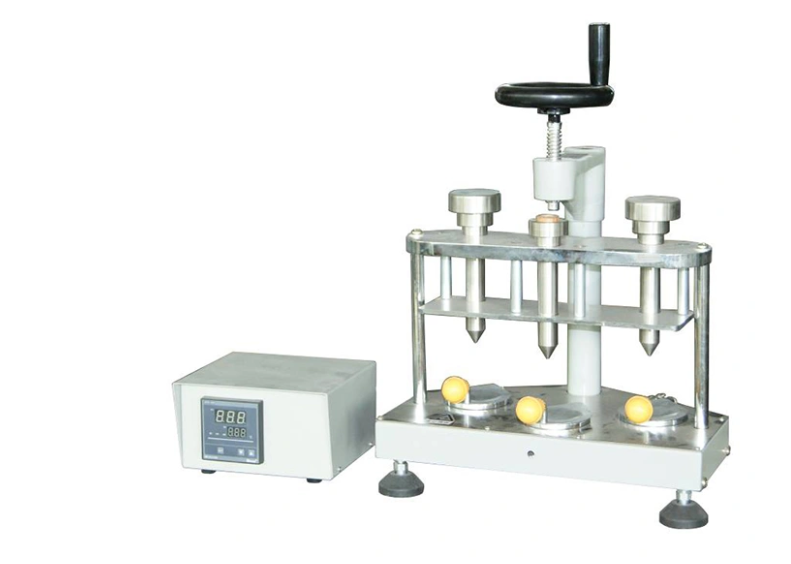
The Role of Fiber Testing in Modern Quality Control
As textile supply chains become more competitive, manufacturers need dependable testing data to support quality assurance and production decisions. Fiber testing is no longer limited to identifying material defects; it also plays a role in process optimization and supplier management. By comparing test results across different production batches, quality control teams can identify material inconsistencies, monitor changes in fiber properties, and investigate potential causes of manufacturing problems. For textile laboratories and industrial manufacturers, standardized testing procedures also improve communication between suppliers, production departments, and buyers. Consistent measurement methods make it easier to establish material specifications and evaluate whether incoming fibers meet the required standards. Furthermore, digital testing systems can simplify data collection and result management, helping laboratories improve operational efficiency and maintain traceable quality records. As automation and precision measurement continue to develop, fiber testing equipment will remain an important part of modern textile quality management.
ANYTESTER: Textile Testing Solutions for Industrial Applications
Choosing reliable testing instruments is an important step toward building an effective quality control system. ANYTESTER provides textile testing instruments designed for laboratory and industrial applications, covering different testing requirements across fiber, yarn, and fabric evaluation. With a focus on measurement reliability, practical operation, and application-oriented equipment design, ANYTESTER supports textile manufacturers, research institutions, and quality inspection laboratories in their daily testing activities. Whether evaluating incoming raw materials, monitoring production consistency, or conducting laboratory analysis, suitable fiber testing equipment helps businesses obtain dependable data and maintain better control over material quality. As the textile industry continues to evolve, investing in appropriate testing instruments can help manufacturers strengthen quality management, improve production reliability, and meet the expectations of increasingly demanding global markets.